“You are my witnesses,” declares the Lord, “and my servant whom I have chosen, so that you may know and believe me and understand that I am He. Before me, no god was formed, nor will there be one after me…”
— Isaiah 43:10
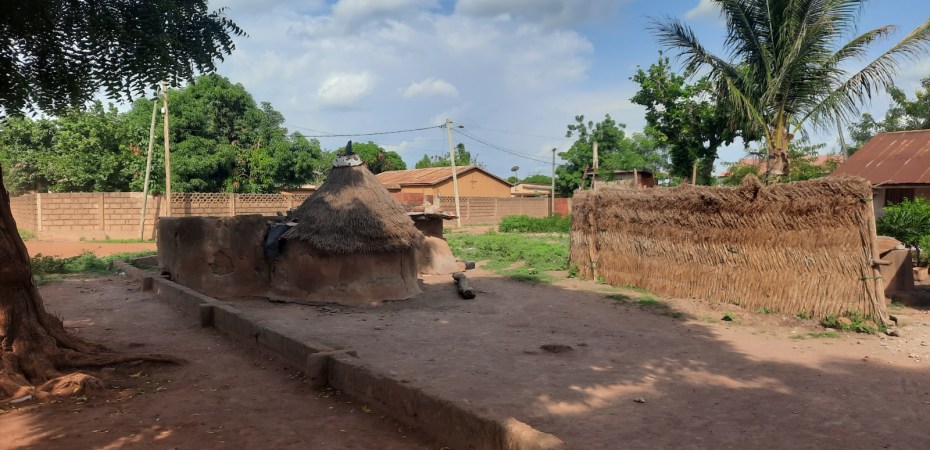
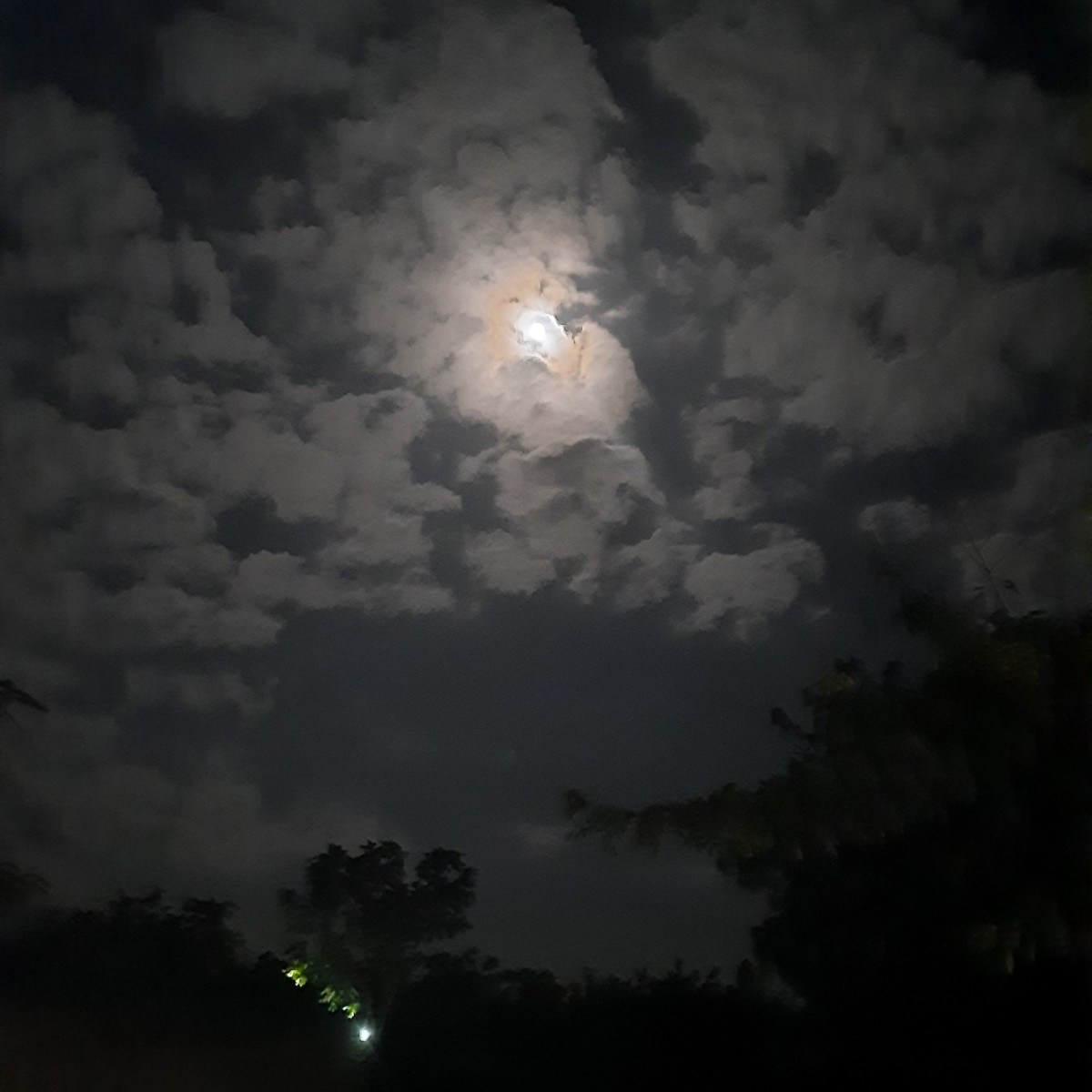
“It just feels like we’re on the edge of the world here… like we’re putting new lights on the map,” he exclaimed. Squished between two doctors in the back seat of a dusty Jeep hurtling down a bumpy dirt road in the dark, headed home from a prayer meeting, I agreed. This place does feel like the edge of the world. But it also feels hauntingly familiar… like a hug from an old friend, coming ‘round again. The stars shine brighter here, with less light pollution. The midnight sky is magnificent. The red clay and the burning trash heaps remind me of my childhood.
Why am I here? I am here now because two years ago, I heard a story of this place. A tragedy, but a triumph, too. That story was so powerful, it moved me. It rattled me to my core. The story of a man who sacrificed his worldly comforts to help build a hospital in a very dark place. A man after God’s own heart, who brought truth and light and joy into the lives of his patients. This man then lived out the ultimate sacrifice, giving up his earthly life here, when he died from a disease he caught from a patient. He left behind a wife and four boys.
When I first heard that story, I wasn’t a believer. I couldn’t believe that people with such pure motives and open hearts even existed— why would anyone want to move to a hot, dusty, desert of a place to voluntarily work long hours in a hospital, ministering to the physical and spiritual needs of a people who don’t know you, don’t believe you, don’t want you, and don’t need you? And then, to die for them, and to count that, simply, as the cost of a life well-lived. That level of servanthood and compassion was wholly foreign to me. But, long-since jaded by the petty pleasures promoted as purpose by a hedonistic world, it intrigued me. I wanted to know more, to feel more, to experience more, of this… goodness.
“But seek first the kingdom of God, and his righteousness, and all these things shall be added unto you.” Matthew 6:33. I spent the next two years dipping my toes in the water until I finally gained the courage to jump in and swim. I read, prayed, studied, researched, watched, and waited for God to speak to me and to move in my life; and speak and move, He did! I find myself now on a path that I’m almost afraid to acknowledge– fearful that I’ve already passed a point of no return… and I’m staring straight into the gaping mouth of the great unknown. I came to Togo thinking that I was looking for God. I’ve found, instead, that He was waiting for me.



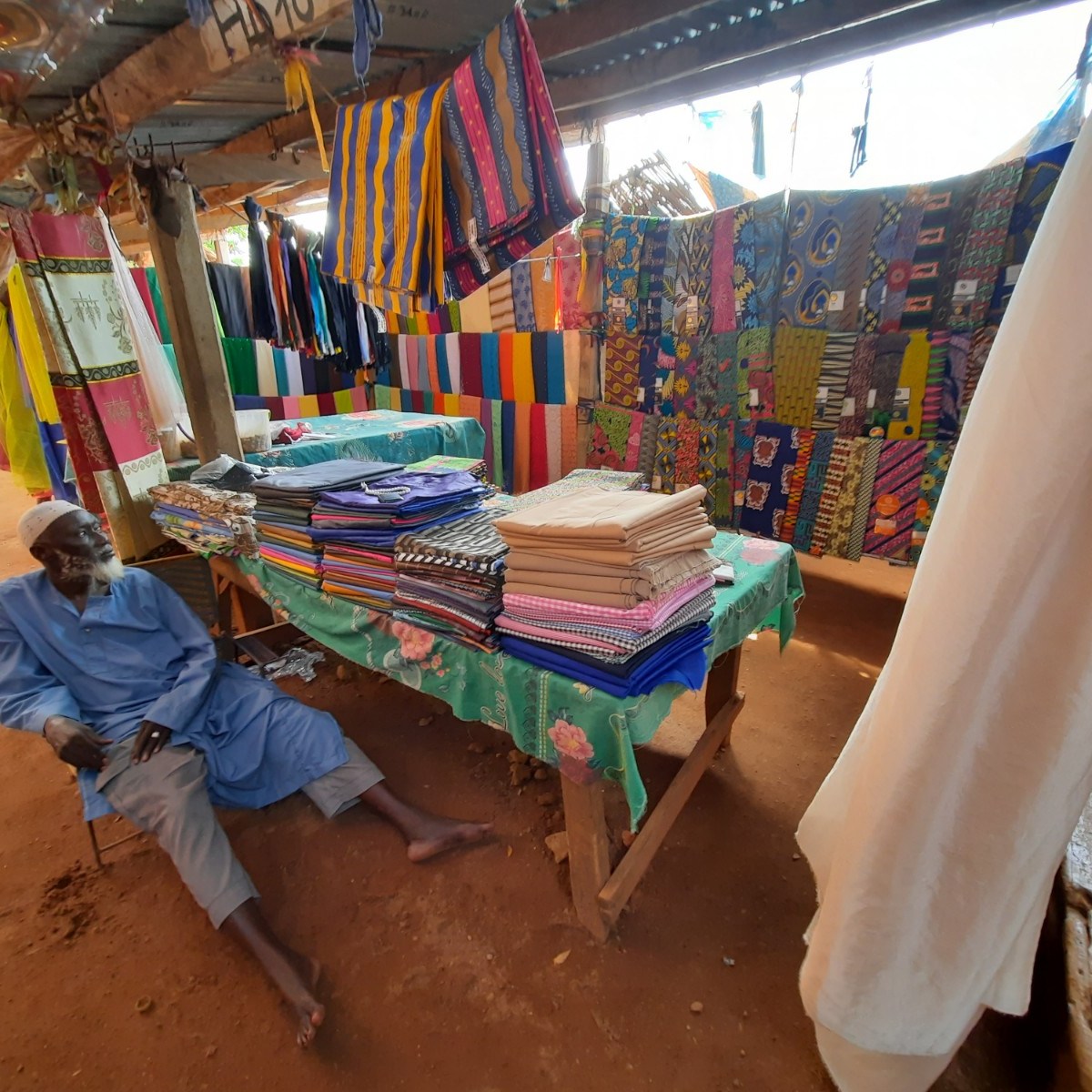


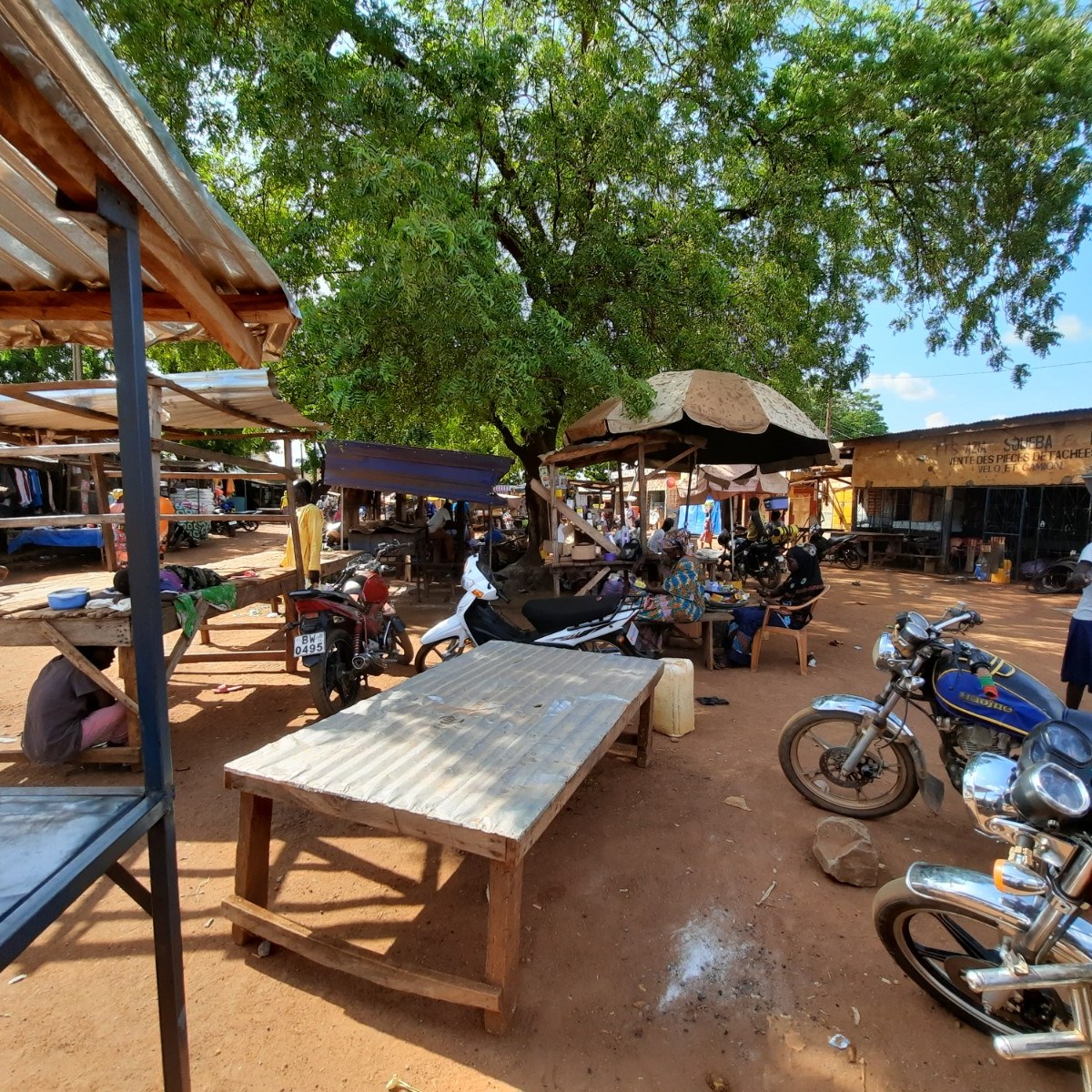

“You’re not real missionaries, after all… how do you have time to do ministry if you’re working in the hospital so much?” – A doctor relayed to me the explanation given by some church-goers back home as to why they’d decided not to offer funding to her family. I was a little shocked by that legalistic attitude, but also— I understood it. Until I came here and witnessed firsthand the village churches, and heard firsthand the stories of former patients, I confess that I had similar doubts. Where is the line between ministering to physical needs and to spiritual needs? Are the two mutually exclusive? How do they work together? Are we congratulating ourselves for the feeling of usefulness we get from helping to heal people’s bodies, or are we actually striving to join in the harder work of saving souls? Healing the body is a noble pursuit, but of what use is a body once our seventy or eighty years are up?
All my doubts were laid to rest last Sunday, when I attended service at a village church. It was a special day for them, as they were dedicating a new, bigger building that they’d built to house their growing congregation. In the time for giving praise, one man stood up and had his young son stand up, too. He then told a story. His son had been severely sick with meningitis. He didn’t realize how sick his boy was, until they were on the way to the hospital. He thought that maybe his son had died in the car on the way. He called a friend for prayer, and this friend called one of the long-term nurses here, and everyone prayed over his son. The boy was alive when they made it to the hospital. Over time, the boy’s health returned, and by now, he was fully restored.
The man then spoke words of praise for God, and for the hospital staff, for helping him to come to know, during his son’s hospital stay, the one true God. An unsolicited testimony directly from the mouth of a patient’s family member. I thought this was a pretty cool, pretty inspirational story. That is, until I heard the story of how this particular church got started— which was an even cooler story. Of words and ways, God is such an incredible weaver!
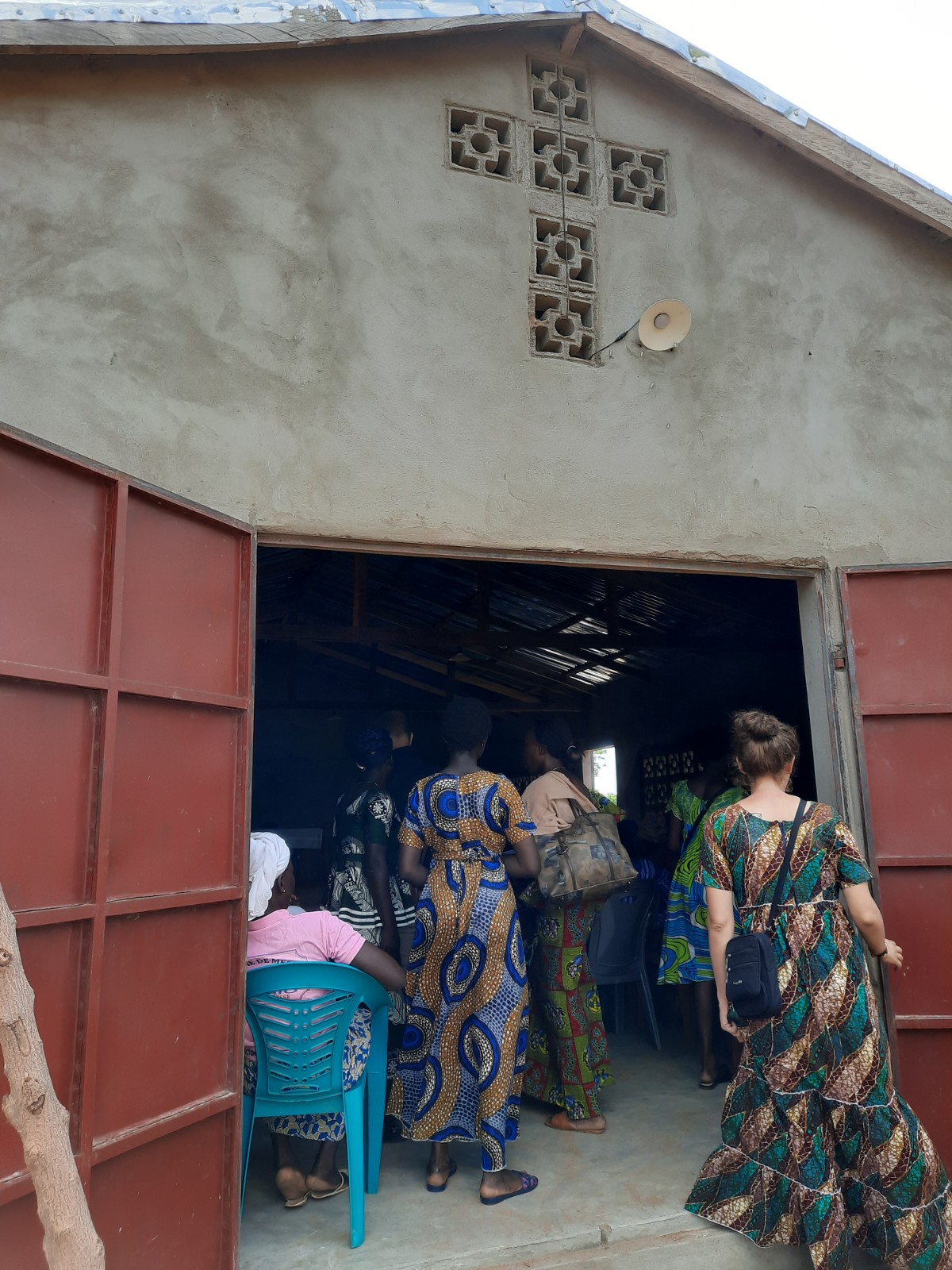

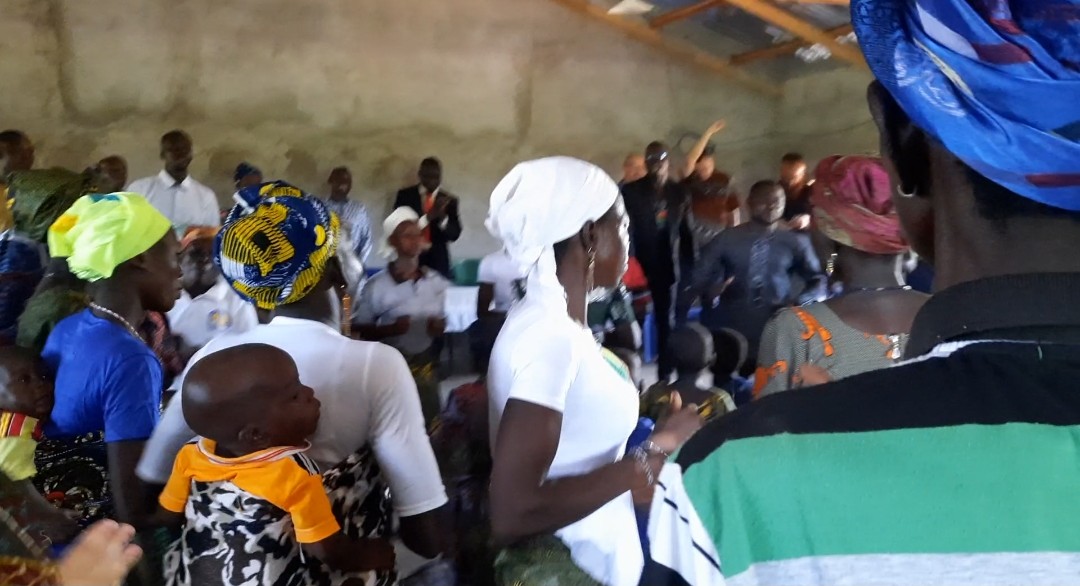
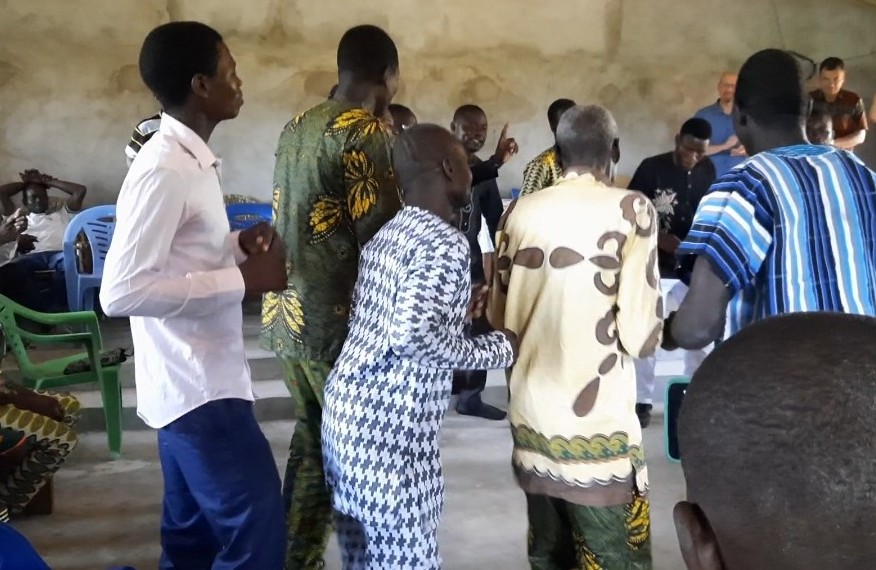
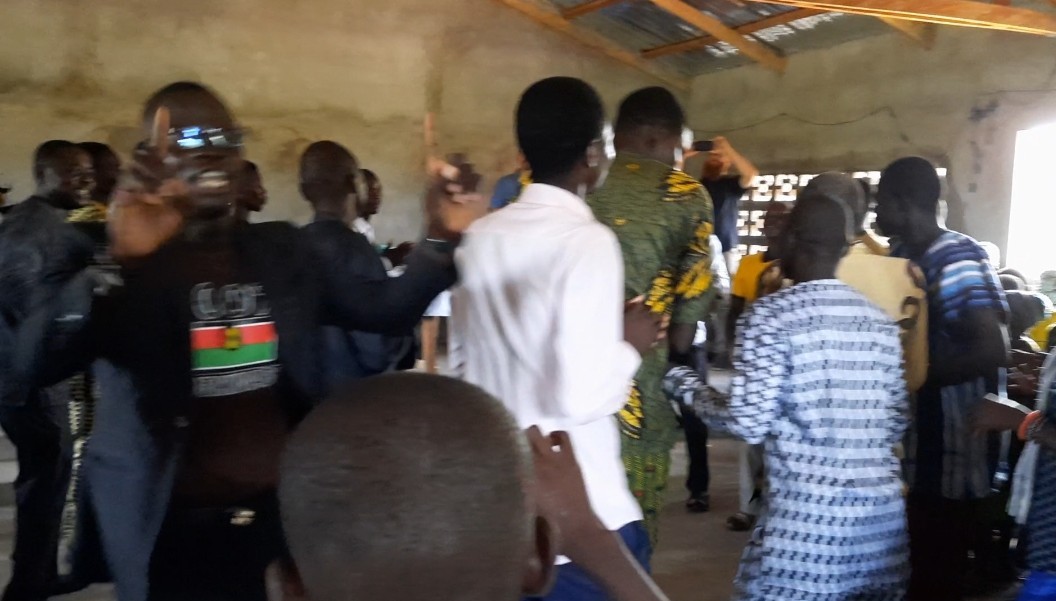
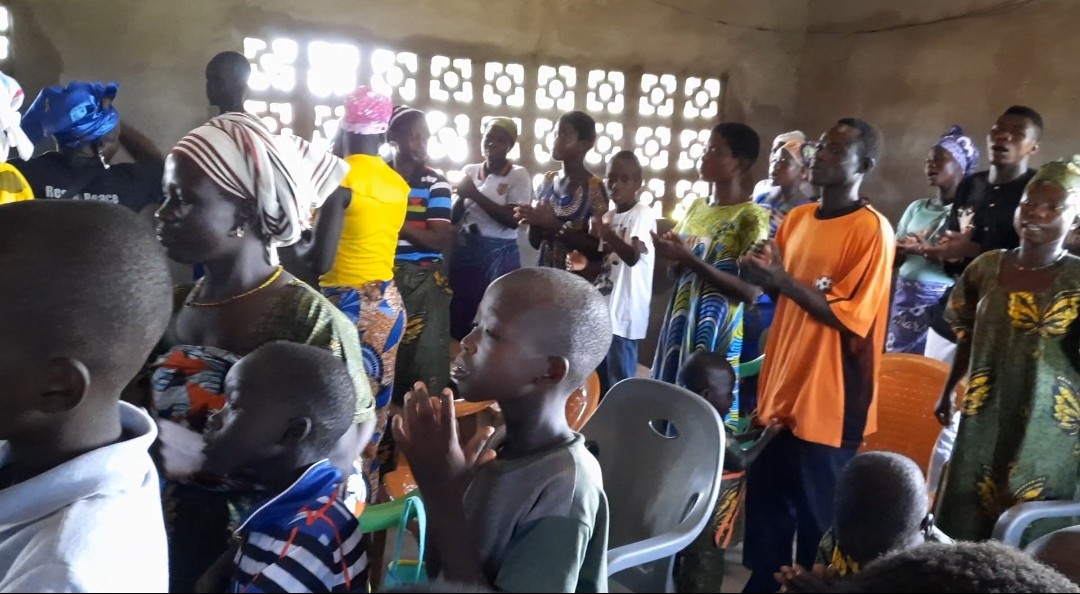
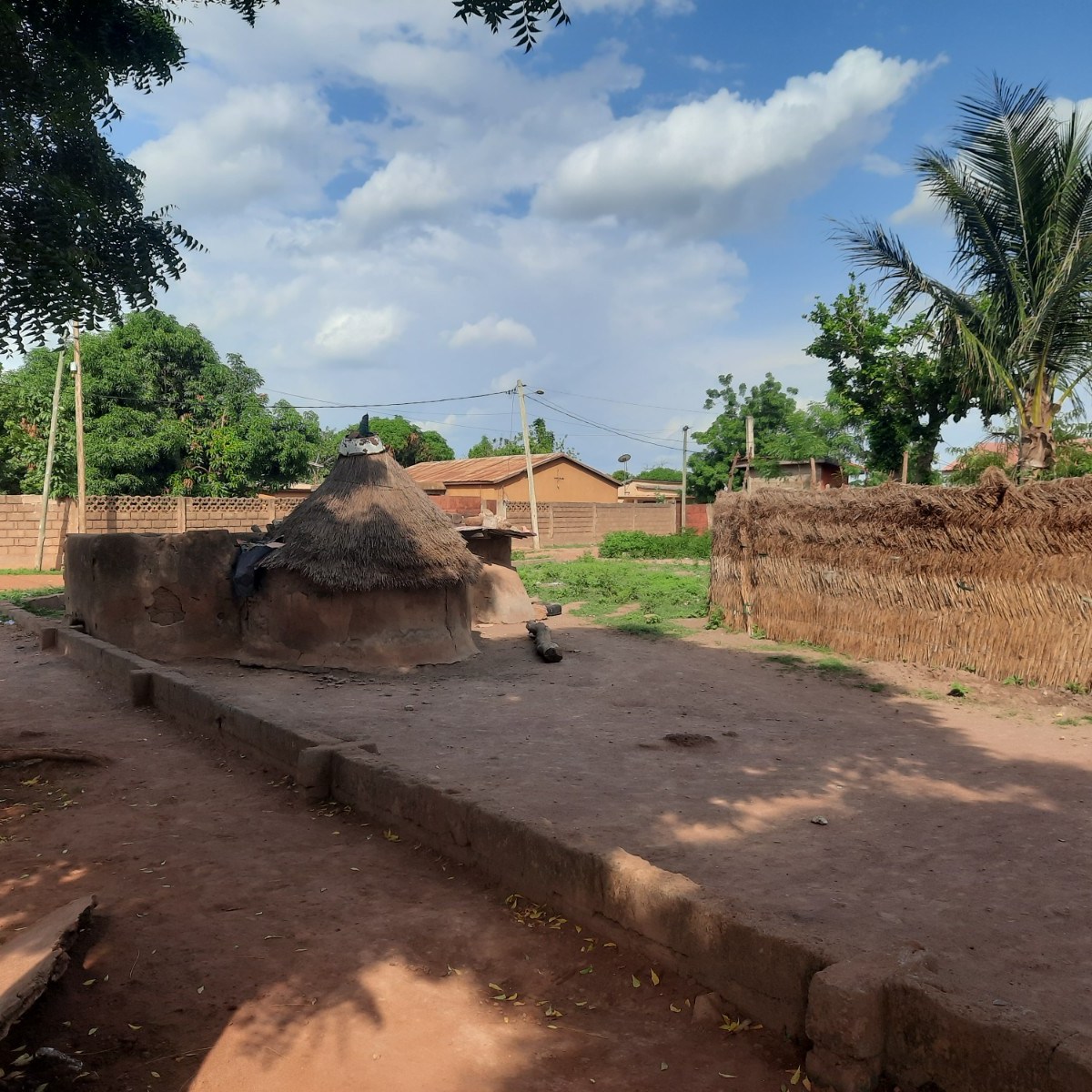
The seed of this village church was planted by the medical missionary who lost his life to his dream of the hospital here. He shared the gospel with a patient, who wanted to know more, to dive deeper. So, a small Bible study group was formed, consisting of this original patient-of-peace and his friends and family. That study group was led by one of the Togolese hospital chaplains, with Western missionaries providing support and encouragement, as needed. The Togolese chaplain enlisted one of the more promising Togolese pupils as a translator for the group, so that he could pour into this man more directly, with more intention. The culture of this particular village was deeply rooted in animism. It took some time, but eventually this translator came to believe what he was preaching, and he naturally transitioned to a pastoral position, shepherding a small flock of local believers.
In less than a decade, that flock has outgrown the original small mud-hut of meeting. We celebrated with them the dedication of a new, much larger building, with a raised stage area, wooden benches, and windows and doors for ventilation. Starting around nine o’clock in the morning and ending around one o’clock in the afternoon, this was probably the longest church service I’ve ever attended, but also one of the coolest. Pastors from neighboring villages kept stopping by, once their services were over— so we got to hear words of praise, prayer, and celebration from multiple Togolese men of God— spoken and shouted and sung in multiple tongues.
Hearing these stories was affirming for me; refreshing and welcome, living water for my thirsty soul. After a long and busy shift, taking care of patients with diseases and problems that I’d never before encountered in my nursing career, and feeling at times like I was drowning in my own incompetence— I found myself wondering whether I was really having an impact for the kingdom of God— or was I just indulging in Christian tourism? Did my being here matter?
I now understand that the answer to that question is— unequivocally, yes.

Physical healing opens a door for spiritual ministry. Jesus lived out this truth daily, as he fed people, healed their physical ailments, and shared his Father’s message with them. The modern “medical missionary” is not a misnomer. And we are not second-string church planters. We are on the frontlines of this fight, in every way. Medical missionaries have incredible opportunities to share messages of God’s love, hope, and healing with patients and their families as we work side-by-side to care for the sick and injured— here (in Africa), and across the world. Simply— SPEAK!
And let there be light!
“Our days may come to seventy years, or eighty, if our strength endures; yet the best of them are but trouble and sorrow, for they quickly pass, and we fly away… may your deeds be shown to your servants, your splendor to their children. May the favor of the Lord our God rest on us; establish the work of our hands for us— yes, establish the work of our hands.”
— Psalm 90:10-17
 .:: God's Gravity ::.